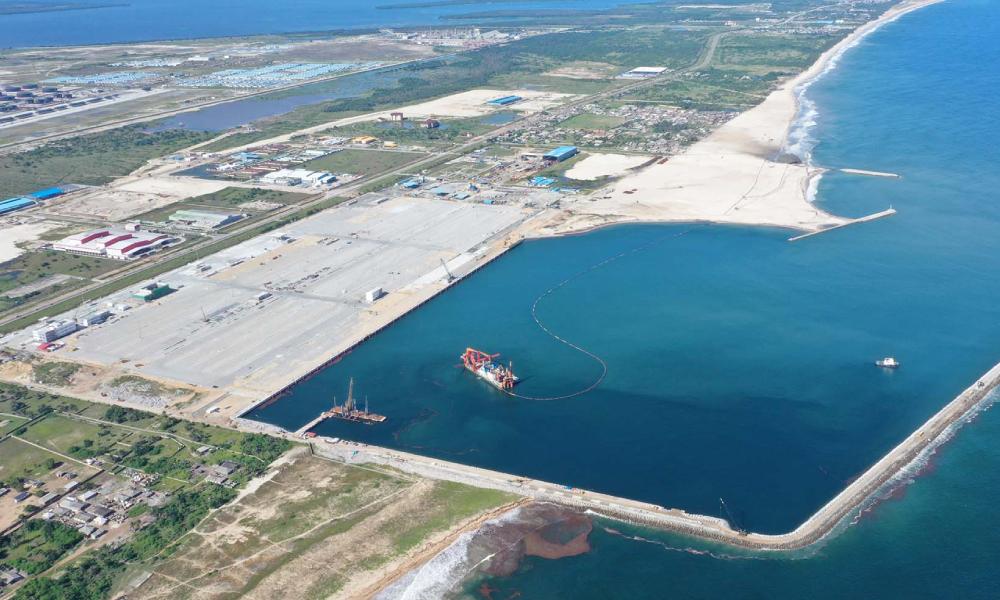
Nigeria’s federal government has officially commenced the rollout of the National Single Window (NSW) system across Nigeria’s seaports, marking what authorities describe as a major milestone in the country’s quest to modernize trade facilitation, improve transparency, and boost revenue generation in the maritime sector.
The initiative, which is designed to integrate all port-related documentation and processes into a centralized digital platform, is expected to significantly reduce cargo clearance time, eliminate bureaucratic bottlenecks, and curb revenue leakages that have long plagued the nation’s ports
However, barely days into its phased implementation, the system has been beset by a series of operational challenges, raising concerns among stakeholders about its readiness and overall effectiveness.
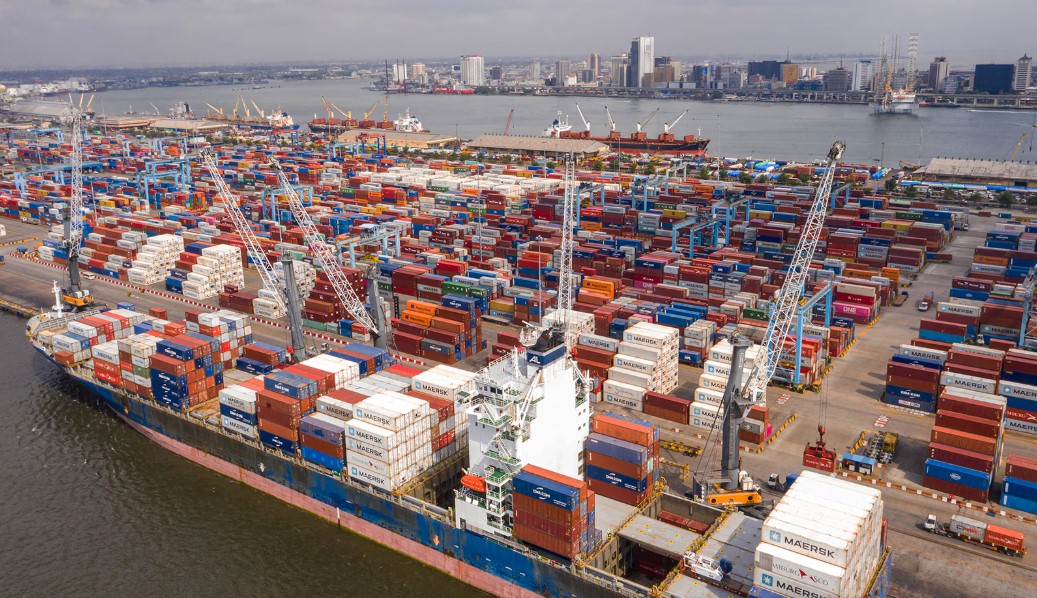
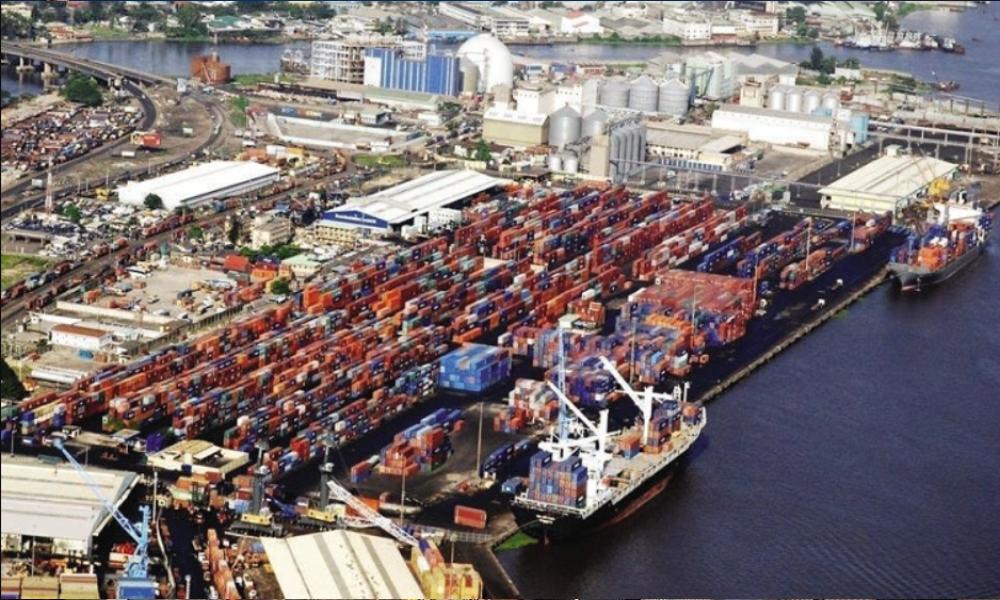
Industry operators report that the rollout has been anything but seamless, with thousands of containers reportedly stranded at various terminals due to delays in processing and system synchronization issues. Freight forwarders, customs agents, and terminal operators have cited frequent downtime, poor integration with existing platforms, and lack of clarity in operational procedures as key impediments.
A major concern revolves around the absence—or incomplete deployment—of a functional Port Community System (PCS), which experts insist is a critical backbone for the success of any single window platform. Without a fully operational PCS to connect all stakeholders in real time, the NSW risks operating in silos, thereby undermining its core objective of seamless coordination.
Compounding the problem is the longstanding issue of overlapping functions among government agencies operating at the ports. Despite the promise of harmonization, agencies continue to duplicate roles in cargo inspection, documentation, and enforcement, leading to confusion, delays, and increased costs for port users.
Stakeholders argue that unless these structural inefficiencies are addressed, the single window system may simply digitize existing bottlenecks rather than eliminate them.
The disruptions have already begun to take a financial toll. Importers and clearing agents complain of rising demurrage charges as cargoes remain uncleared beyond stipulated timelines. There are also fears that the situation could worsen port congestion, erode investor confidence, and ultimately impact the cost of goods in the domestic market.
Some operators estimate that the current delays could translate into billions of naira in additional costs if not urgently resolved.
In response to the growing concerns, government agencies overseeing the project have acknowledged the teething problems, describing them as typical of large-scale digital transitions.
Officials say efforts are underway to stabilize the system, including ongoing technical upgrades, increased server capacity, and closer collaboration with service providers to improve platform integration. There are also indications that a phased approach is being adopted to allow for gradual onboarding of stakeholders while resolving emerging issues.
To ease the burden on port users, the government has promised temporary relief measures, including demurrage waivers and extended grace periods for cargo clearance.
Additionally, there are renewed efforts to fast-track the deployment of the Port Community System and streamline the roles of various agencies through policy directives and inter-agency coordination mechanisms.
Maritime stakeholders have, however, called for greater transparency in the implementation process, urging the government to engage industry players more actively in troubleshooting and decision-making.
They emphasize that for the NSW to succeed, it must be driven not just by technology, but by institutional reforms that eliminate duplication, enforce accountability, and prioritize efficiency.
As Nigeria pushes forward with the ambitious reform, analysts note that the coming weeks will be critical in determining whether the single window system becomes a transformative tool or another well-intentioned initiative hampered by execution challenges.
For now, the consensus remains cautious optimism, tempered by the urgent need for decisive action to address the cracks exposed at launch.
Media Contact:
Enyeribe Anyanwu
08023184991